
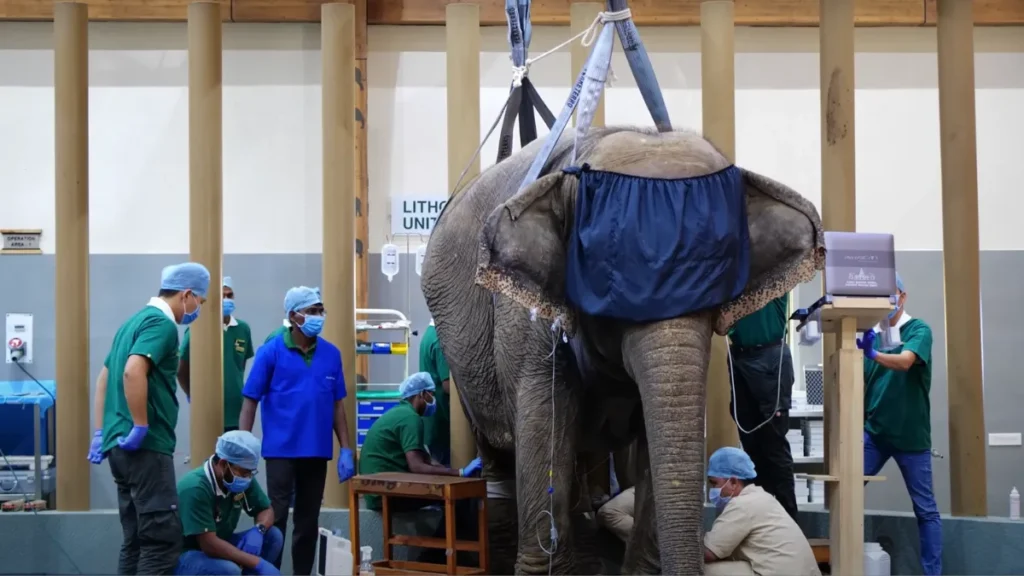
One of the most significant developments linked to this collaboration is the establishment of a WHO-ITRA Global Centre near Gordhanpar in Jamnagar. This facility will be the first of its kind in India-and among the few worldwide-dedicated exclusively to Ayurvedic research in animal health.
Key Highlights of the WHO-ITRA Centre
- The centre is being developed with support from the Ministry of AYUSH, Government of India
- Construction is approximately 70% complete
- It is expected to be inaugurated in December 2025
- Prime Minister Narendra Modi is likely to formally open the facility
The centre will serve as a global hub for research, education, and innovation, focusing on the scientific validation and responsible application of Ayurveda in veterinary practice.
Vision and Leadership Behind the Initiative
Speaking about the project, Dr Tanuja Nesari, Director of ITRA, emphasized the broader vision behind the collaboration.
She noted that the WHO-ITRA Centre will function as a central nodal institution for Ayurveda-based animal health research across India. The goal is not only to preserve traditional knowledge but to subject it to rigorous scientific evaluation so it can be applied safely and effectively in modern veterinary systems.
According to Dr Nesari, the integration of Ayurveda with contemporary research methods will help create a comprehensive framework for animal welfare—one that focuses on prevention, resilience, and overall health rather than treatment alone.
A New Global Hub for Research, Education, and Innovation
The upcoming WHO-ITRA Centre in Jamnagar is being designed as more than just a research facility. It will operate as a multidisciplinary ecosystem supporting:
- Advanced laboratory research
- Clinical studies and trials
- Academic teaching and training
- Knowledge exchange and policy development
The centre will regularly host workshops, seminars, and international conferences, bringing together veterinarians, researchers, policymakers, students, and subject-matter experts from across India and abroad.
This environment will encourage collaboration, foster innovation, and ensure that Ayurvedic veterinary knowledge is shared in a structured, scientifically credible manner.
Role of Vantara in Advancing Applied Research
Vantara’s involvement in the initiative adds a critical applied dimension to the research. With its extensive animal care infrastructure and diverse species population, Vantara offers an ideal environment for observational studies, clinical validation, and real-world testing of integrative animal healthcare approaches.
Through this partnership, Vantara and ITRA will jointly:
- Design and implement research projects
- Develop preventive and therapeutic healthcare models
- Study long-term outcomes of Ayurvedic interventions
- Create scalable solutions for farmers, animal caregivers, and conservationists
This collaboration ensures that research outcomes are not limited to academic theory but are translated into practical, implementable solutions that benefit animals directly.
Introduction of Specialized Degree Programs in Animal Health
As part of its long-term vision, ITRA plans to launch specialized degree programs focused on animal health, developed in collaboration with Vantara. These academic programs will combine:
- Modern veterinary science
- Ayurvedic pharmacology and principles
- Clinical research methodology
- Ethical and sustainable animal care practices
The aim is to equip students and researchers with a balanced skill set, enabling them to work confidently at the intersection of traditional medicine and contemporary veterinary science.
Graduates of these programs are expected to play a key role in shaping the future of animal healthcare in India and beyond.
The Historical Role of Ayurveda in Veterinary Science
Ayurveda has a long and well-documented history of addressing animal health and welfare. Ancient Indian texts contain detailed descriptions of diseases, treatments, nutrition, and preventive care for various animal species.
Some of the most influential classical texts include:
- Gau Ayurveda – focused on cattle health
- Hasti Ayurveda – dedicated to elephant care
- Palakapya Samhita – comprehensive veterinary guidance
- Matangalila – classical text on elephant management
- Shalihotra Samhita – considered a foundational work in veterinary medicine
These texts emphasize not only curing disease but also maintaining balance, improving immunity, and preventing illness—principles that align closely with modern preventive healthcare approaches.
Blending Ancient Wisdom With Modern Science
The WHO-ITRA Centre, supported by vantara, will actively study these ancient texts while applying modern research tools such as:
- Clinical trials
- Laboratory analysis
- Data-driven evaluation
- Standardized documentation
By doing so, researchers aim to create a scientifically validated model that respects traditional knowledge while meeting contemporary global standards.
This integrative approach could serve as a blueprint for other countries seeking to incorporate traditional medicine into modern veterinary frameworks.
Ayurveda Day Announcement and Public Outreach
The collaboration between Vantara and ITRA, along with updates on the WHO centre, was formally announced during a press conference held at ITRA in Jamnagar on the occasion of Ayurveda Day.
The event highlighted Ayurveda’s growing relevance in animal health and underscored the need for public awareness about preventive care and holistic treatment options.
As part of the initiative, joint public awareness campaigns will be launched to educate:
- Farmers and livestock owners
- Pet owners
- Animal caregivers and handlers
These campaigns will focus on prevention, nutrition, early intervention, and the responsible use of Ayurveda-based treatments.
Education, Research, and Future Roadmap
With Vantara’s support, ITRA plans to expand its academic and research ecosystem through:
- Degree and diploma programs
- Research fellowships
- Hands-on training modules
- Field-based learning opportunities
The Jamnagar WHO-ITRA Centre is expected to become a model institution for research collaboration, policy guidance, and global knowledge sharing in animal health.
Over time, the initiative aims to strengthen India’s position as a global leader in Ayurveda-based veterinary solutions while contributing to sustainable and ethical animal care worldwide.
Key Information at a Glance
| Parameter | Details |
|---|---|
| Collaboration | Intra Institute (ITRA) + Vantara |
| Location | Gordhanpar, Jamnagar, Gujarat, India |
| Core Focus | Ayurveda-based animal health research |
| WHO Centre Status | Approximately 70% construction completed |
| Expected Inauguration | December 2025 |
| Proposed Inaugurator | Prime Minister Narendra Modi |
| Academic Programs | Specialized degree courses in animal health |
| Government Support | Ministry of AYUSH, Government of India |
| Classical Reference Texts | Gau Ayurveda, Hasti Ayurveda, Palakapya Samhita, Matangalila, Shalihotra Samhita |
Read also: Indian Import Tax on Animals Creates Major Cost Challenge for Ambani Family’s Vantara Zoo
Conclusion
The partnership between Intra Institute and vantara marks a transformative moment for animal health research in India. By establishing a WHO-supported global centre in Jamnagar and fostering collaboration between traditional Ayurvedic wisdom and modern veterinary science, the initiative sets new standards for education, research, and innovation.
This integrated approach promises long-term benefits for livestock, companion animals, and wildlife, while also creating new opportunities for researchers, students, and practitioners. As the WHO-ITRA Centre nears completion, India is poised to emerge as a global leader in holistic, sustainable, and scientifically validated animal healthcare.
The collaboration not only strengthens India’s research ecosystem but also reinforces the country’s role in shaping the future of veterinary medicine on the world stage.