
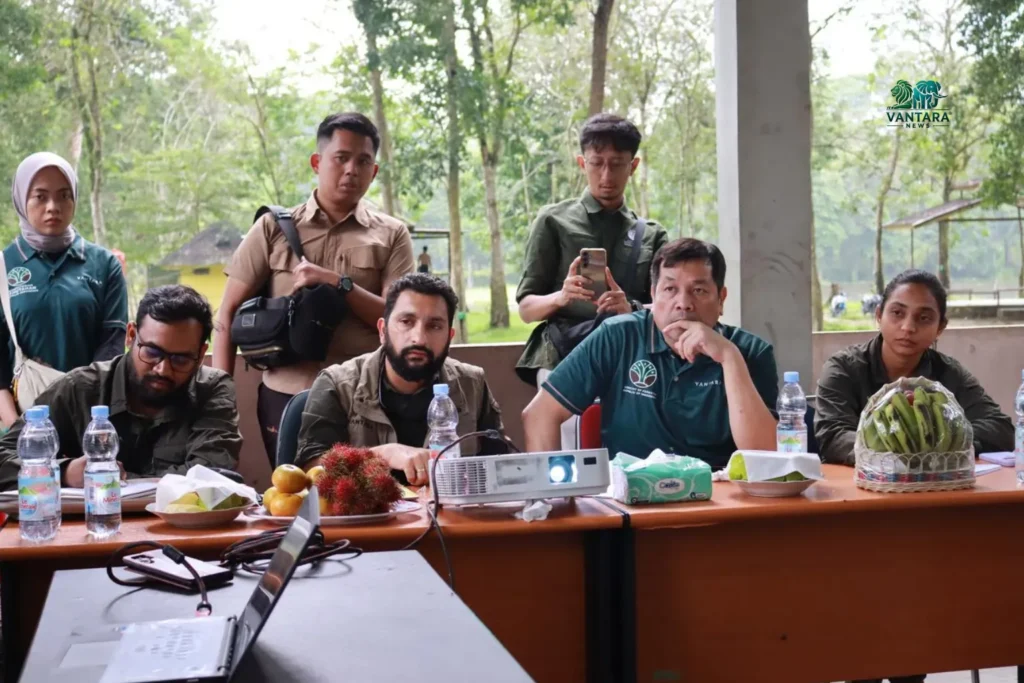
Indonesia has taken a significant step in its fight to protect endangered elephants by seeking the technical expertise of Vantara, India’s globally recognised wildlife conservation and rehabilitation centre. The move comes in response to rising deaths caused by Elephant Endotheliotropic Herpesvirus (EEHV), a fast-acting and often fatal viral disease that poses a serious threat to young elephants.
The collaboration is widely seen as a crucial intervention, particularly for the critically endangered Sumatran elephant (Elephas maximus sumatranus), whose population has already been drastically reduced due to habitat destruction, human-wildlife conflict, and illegal activities. By joining forces with Vantara, Indonesian authorities aim to strengthen early detection, medical response, and long-term prevention strategies against EEHV.
This international conservation partnership signals a proactive shift in Indonesia’s approach to safeguarding one of its most vulnerable wildlife species.

EEHV: A Silent and Lethal Threat to Elephants
Elephant Endotheliotropic Herpesvirus (EEHV) is considered one of the most dangerous diseases affecting elephants worldwide. The virus primarily attacks young calves and juvenile elephants, often progressing rapidly and leaving a narrow window for medical intervention.
In many cases, the early signs of EEHV appear mild or non-specific. Symptoms such as lethargy, swelling, loss of appetite, or subtle behavioural changes may not immediately raise alarm. However, once the virus advances, it can cause internal haemorrhaging and organ failure within a short period.
For endangered populations like the Sumatran elephant, every loss is devastating. Classified as “Critically Endangered” by the International Union for Conservation of Nature (IUCN), the subspecies is already under immense pressure. Rapid deforestation, shrinking habitats, and increasing human-elephant conflict have significantly reduced their numbers in the wild.
Experts warn that without effective EEHV control measures, the disease could further accelerate the decline of this already fragile population.
Tragic Death Triggers Urgent Action
The collaboration between Indonesia and Vantara was initiated following the death of a young elephant at the Sebanga Elephant Conservation Centre in Bengkalis district, Riau province. The calf succumbed to EEHV infection, highlighting the urgent need for advanced medical expertise and structured disease management systems.
The incident prompted Indonesian authorities to reassess their preparedness in handling EEHV cases. Recognising the complexity of the disease and the importance of early intervention, the Ministry of Forestry (Kementerian Kehutanan) sought international support.
Through its local conservation partner, Fauna Land Indonesia, the government formally approached Vantara to provide technical assistance in strengthening diagnosis, prevention, and treatment frameworks.
Vantara’s Expert Team Arrives in Riau
Under this new initiative, a specialised team from Vantara travelled to Riau to work directly with Indonesian officials and veterinary staff. The delegation includes experienced elephant veterinarians, wildlife biologists, and conservation specialists with hands-on experience in managing complex elephant health conditions.
The team’s immediate focus is on elephants under human care, where systematic monitoring and medical intervention can be implemented more effectively. By evaluating health records, conducting blood tests, assessing behavioural indicators, and reviewing current care protocols, Vantara’s experts are helping establish a more robust health surveillance model.
Training sessions are also underway to help local staff identify early warning signs of EEHV. Since timely detection is critical for survival, enhancing frontline awareness is considered one of the most impactful components of the programme.

Building a Standardised Health Monitoring System
One of the core pillars of this partnership is the development of a standardised and science-based health monitoring framework for elephants in Indonesia.
Vantara’s approach emphasises:
- Routine medical check-ups
- Systematic blood screening
- Digital documentation of health data
- Monitoring of stress indicators
- Nutritional optimisation
- Immune system strengthening
Although no permanent cure for EEHV currently exists, early administration of antiviral medication combined with supportive care has shown promising outcomes in several cases globally.
By establishing baseline health data for each elephant, authorities will be better equipped to identify abnormalities at an early stage. This data-driven approach significantly improves response times and treatment effectiveness.
Advanced Veterinary Guidance and Research Collaboration
Beyond field-level interventions, Vantara is also providing technical guidance in diagnostic protocols and laboratory testing methods. Accurate and rapid diagnosis is essential in managing EEHV, as delays can drastically reduce survival chances.
Indonesian veterinary teams are receiving hands-on training in:
- Sample collection and laboratory procedures
- Early-stage treatment strategies
- Emergency response protocols
- Post-recovery monitoring
The collaboration also opens the door to long-term research partnerships. By sharing medical insights and case data, both countries aim to contribute to the broader global understanding of EEHV management.
Such international knowledge exchange is increasingly vital as wildlife diseases become more complex in a changing ecological landscape.
Strengthening Local Capacity for Long-Term Impact
A major objective of Vantara’s involvement is to empower local teams rather than create dependency on external expertise. Capacity-building programmes are being conducted for elephant caretakers, mahouts, and regional veterinarians.
Training modules include:
- Daily health assessment techniques
- Behavioural observation skills
- Safe handling and emergency response
- Preventive healthcare measures
- Stress management practices
By equipping local personnel with advanced knowledge and practical tools, Indonesia aims to ensure sustainable disease management even after the initial intervention phase concludes.
This long-term capacity-building approach is seen as critical for maintaining consistent health standards across elephant conservation facilities nationwide.
Vantara: A Global Leader in Wildlife Care and Conservation
Located in Jamnagar, Gujarat, Vantara has rapidly emerged as one of the world’s most advanced wildlife rescue and rehabilitation centres. Founded by Indian industrialist Anant Ambani, the facility is known for its state-of-the-art veterinary infrastructure and ethical conservation philosophy.
The centre houses specialised hospitals designed for both Asian and African elephants, equipped with modern diagnostic tools, surgical units, and rehabilitation enclosures that prioritise animal welfare.
However, Vantara’s mission extends beyond treatment. Its model integrates prevention, long-term care, scientific research, and sustainable conservation strategies. This comprehensive approach has positioned Vantara as a trusted global partner in wildlife protection efforts.
Expanding the Programme Across Indonesia
Currently, the initiative is focused on facilities in Riau, including the Buluh Cina Nature Tourism Park. However, officials have indicated plans to expand the standardised system nationwide.
Future implementation is expected in key elephant habitats such as:
- Tesso Nilo National Park
- Sebanga Conservation Centre
- Way Kambas National Park
- Other protected elephant ranges
By rolling out a unified health management framework across these regions, Indonesia hopes to establish a cohesive and science-driven national elephant care system.
Such integration will allow faster information sharing, coordinated medical responses, and improved overall survival rates.
A Model for International Wildlife Collaboration
Wildlife experts believe the Indonesia–Vantara partnership could serve as a blueprint for other nations facing similar conservation challenges. In an era where emerging diseases threaten vulnerable species, cross-border cooperation and shared expertise are increasingly essential.
This collaboration demonstrates how structured, prevention-focused, and data-oriented strategies can produce tangible conservation outcomes. It also reinforces the importance of combining advanced veterinary science with local knowledge and ground-level engagement.
As environmental pressures intensify globally, such cooperative frameworks may become indispensable in safeguarding endangered wildlife.
Also read: Salman Khan Arrives in Jamnagar in Style as Vantara Gears Up for a Star-Studded New Year Celebration
Hope for the Future of the Sumatran Elephant
Every elephant saved represents a critical victory for the survival of the Sumatran subspecies. With population numbers already alarmingly low, preventing further deaths from EEHV is vital.
The measures introduced through this partnership aim not only to manage the current crisis but also to build resilience for the future. Strengthened healthcare systems, trained personnel, and improved surveillance mechanisms provide a more secure foundation for conservation efforts.
Indonesia’s decision to engage Vantara reflects a recognition that scientific expertise and global collaboration are key to overcoming complex wildlife health threats.
Also read: Vantara Jamnagar Emerges as a Global Wildlife Destination as Celebrities Visit Vantara
Conclusion: A United Front Against EEHV
The fight against EEHV is far from over, but Indonesia’s proactive engagement with Vantara marks a significant turning point. By combining international veterinary expertise with national conservation commitment, the country is taking meaningful steps to protect its critically endangered elephants.
This partnership highlights the power of collaboration in addressing global wildlife challenges. As systems are refined and knowledge continues to grow, there is renewed hope that the Sumatran elephant can survive-and eventually thrive-in its natural habitat.
For conservationists worldwide, the Indonesia–Vantara initiative stands as a powerful example of how science, dedication, and international solidarity can come together to safeguard Earth’s most vulnerable species.