
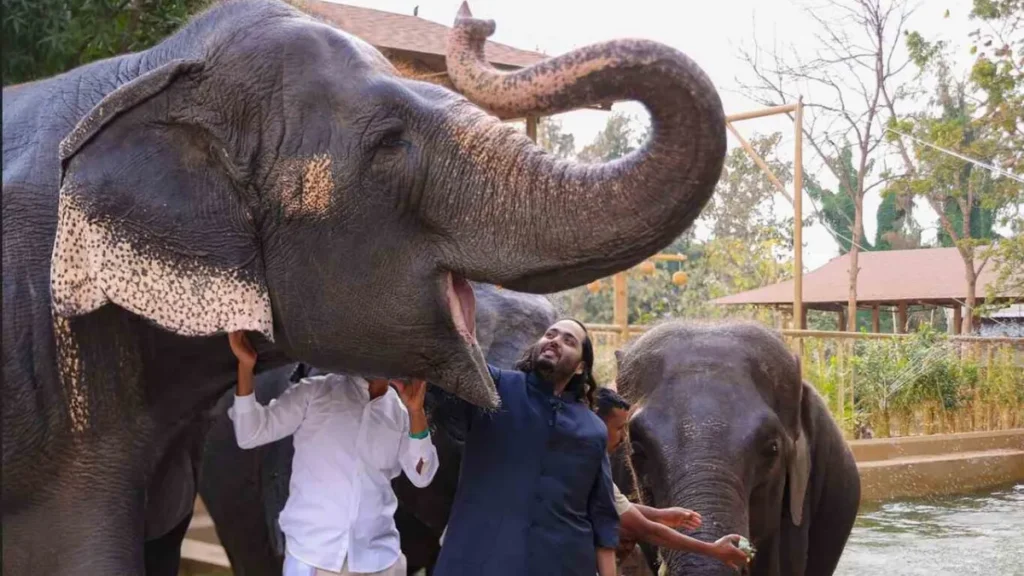
Vantara jamnagar, the wildlife rescue, rehabilitation and conservation centre in Jamnagar, Gujarat, has announced a series of voluntary commitments aimed at strengthening its conservation work, regulatory compliance, transparency and international wildlife protection efforts.
The commitments were submitted on Wednesday to India’s CITES Management Authority and have also been placed before the Supreme Court as part of Vantara’s broader compliance framework. The announcement marks a significant shift in the organisation’s approach, with greater emphasis being placed on protecting wildlife in natural habitats and supporting conservation efforts within India.
Vantara Jamnagar Pledges Greater Focus on In-Situ Conservation
One of the key elements of the new commitments is Vantara’s decision to give greater importance to in-situ conservation, which means protecting animals and their habitats in their natural environment.
Under this approach, Vantara said it intends to focus more heavily on wildlife conservation within India while also supporting conservation programmes in the natural range states of different species.
The organisation said its guiding principle remains that every life matters. According to Vantara, this philosophy applies not only to the care and rehabilitation of animals at its Jamnagar campus but also to the expertise, resources and support it provides to conservation initiatives in countries where wildlife naturally occurs.
The new direction follows a review conducted by Vantara’s Governing Council. The review considered concerns, criticism, observations and suggestions raised over time by conservation organisations, wildlife experts and other stakeholders.
Stronger Support for Wildlife Conservation in India
Vantara said its future activities would place greater emphasis on wildlife rescue, rehabilitation and conservation programmes within India. The organisation also plans to work closely with state wildlife agencies to support conservation initiatives and strengthen efforts to protect animals in their natural habitats.
Beyond India, Vantara said it would continue contributing to international wildlife conservation. This includes supporting the development and strengthening of rescue centres and veterinary hospitals that can provide specialised care to animals in need.
The organisation has also announced plans to establish a dedicated international conservation fund. The fund is intended to provide support for local wildlife conservation efforts and strengthen conservation activities in the countries where wildlife is found naturally.
No New Import Applications for the Time Being
A major part of Vantara’s voluntary commitments concerns the future movement of animals across international borders.
Vantara said it will withdraw all pending applications for animal imports and will not submit new applications for the time being. If the organisation considers an animal import in the future, it said any such proposal would be made only after consultation with India’s CITES Management Authority.
The organisation has also committed to sourcing animals only from registered zoos if future imports are proposed.
More significantly, Vantara said it would not import great apes, big cats or endangered wildlife species under its future commitments. This represents a substantial restriction on the types of animals that could potentially be brought to the Jamnagar facility in the future.
Regular CITES Reporting and Inspections
The commitments also place greater emphasis on transparency and independent oversight.
Vantara said it will submit progress reports to India’s CITES Management Authority every six months. It has also agreed to invite the authority to conduct inspections of its operations.
In addition, the organisation plans to broaden its engagement with the conservation community, allowing greater interaction with wildlife experts, organisations and other stakeholders.
These measures are intended to strengthen monitoring and provide greater visibility into how Vantara implements its conservation and compliance commitments.
What Is CITES and Why Does It Matter?
The Convention on International Trade in Endangered Species of Wild Fauna and Flora, commonly known as CITES, is an international framework governing the cross-border trade of wild animals and plants.
Its central objective is to ensure that international trade does not threaten the survival of species in the wild. Countries participating in CITES establish regulatory mechanisms for the movement and trade of protected wildlife and plants across international borders.
Vantara’s latest commitments are aimed at reaffirming its intention to follow the CITES framework and work closely with India’s designated authorities on matters involving wildlife transfers and conservation.
Also read: Vantara Foundation Proposes Three Wildlife Rescue and Rehabilitation Centres in Assam
A Shift Towards Conservation in Natural Habitats
The latest announcement indicates a broader shift in Vantara’s conservation strategy. Instead of placing the primary emphasis on bringing animals to its Jamnagar facility, the organisation says it wants to devote more resources to conservation where wildlife naturally lives.
This includes supporting conservation programmes in India, assisting state wildlife agencies, strengthening rescue and veterinary infrastructure internationally and creating financial support mechanisms for local conservation initiatives.
The commitments also introduce additional oversight through periodic reporting, inspections and consultation with India’s CITES Management Authority.
For Vantara Jamnagar, the move represents an effort to strengthen its role not only as a centre for wildlife rescue and rehabilitation but also as a supporter of conservation programmes focused on protecting animals in their natural environments.
By withdrawing pending import applications, pausing new import proposals and ruling out future imports of great apes, big cats and endangered wildlife species under its stated commitments, Vantara has outlined a more restrictive approach to international animal imports.
The organisation said these steps reflect the recommendations and feedback considered by its Governing Council and are intended to reinforce its commitment to wildlife conservation, regulatory compliance and greater transparency.